
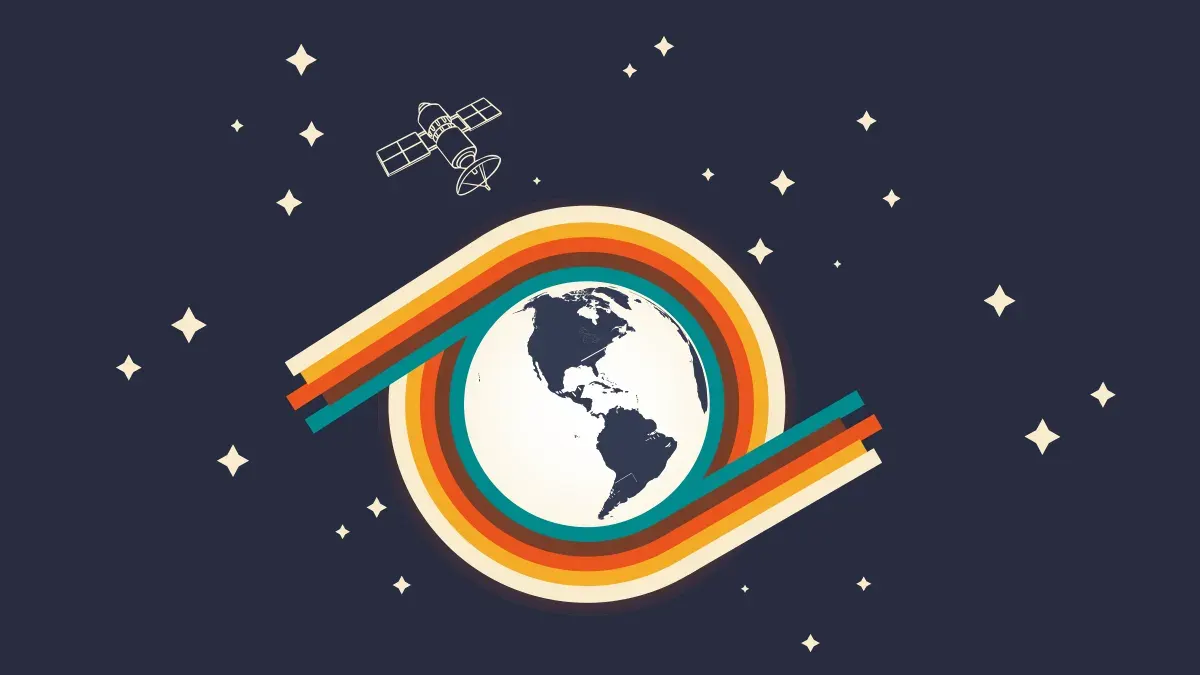
In 1969 the astronauts of Apollo 11 were privileged to view Earth from the surface of the Moon, and what they saw was a fragile planet, a unique and living organism tethered to space and time.
On Earth Day, 2021, more than a half-century later, the imperative to preserve our world’s environment is now consensus. Inaction rests in the ‘how’, humanity sparring over the means to implement changes in our social and economic order to ensure a more sustainable planet today, and a habitable Earth for future generations to call home.
Owing to digitalization, we have more data on planet Earth than at any time in history, streams of continuous digital data flowing in from satellites observing land, sea and atmosphere. NorthStar is on the leading edge of digitizing Earth to better understand the effect we are having on the environmental systems of our planet and determining what we need to do to reverse the tide. But the fate of our planet will ultimately be determined by collective human willingness to make the necessary changes in behavior.
In 1833, British economist William Forster Lloyd wrote an essay noting something he had observed in English agriculture. At the time, cattle from different owners freely grazed on common or public land pastures. The practice caused these common pastures to end up destroyed, grassless and environmentally degraded. Lloyd noticed that on private pastures where owners had direct economic interest in preserving their land to feed their cattle, the pastures remained environmentally healthy, the degradation did not occur.
By Lloyd’s essay, the destruction of common lands came to be known as “The Tragedy of The Commons”. Meaning when a person does not have ownership of land, the incentive to preserve that land is removed. As a group, people will use and overuse land, eventually ruining and depleting its usefulness for all people. In identifying the tragedy of an outcome so easily prevented by a common of set of rules for everyone using natural resources, Lloyd was an 18th century proponent of something we now know by another name.
Sustainability.
We rightly and often speak of sustainability referencing the environmental challenges we face on our planet, but on Earth Day, 2021, a similar ‘Tragedy of the Commons” is unfolding in another of humanity’s critical and shared resources: Space.
In 2021, not only is Earth in the midst of an unprecedented climate emergency, but its very orbit is in a precarious state. Satellite launches are increasing exponentially in an environment congested with space debris. Space Traffic must be managed in a more sustainable manner to avoid collisions and the creation of further debris. There is growing consensus that entire orbits of near-Earth space may become unusable in the near future for human spaceflight and for satellites that provide essential services. Humanity’s ability to digitally monitor Earth’s environment from Space, our primary means to monitor climate change and threats to our planet’s environment, is at risk.
At this time, it is worthwhile to consider expanding our definition of sustainability to include our planet’s critical near-Space environment. The United Nations 17 Sustainable Development Goals (SDGs) are geared to achieving sustainability on Earth. On Earth Day, 2021, in recognition of the importance of Space to our digital future and meeting our environmental challenges on Earth, NorthStar encourages the realization of an 18th UN sustainable development goal to promote Space Sustainability.
Space Sustainability will enable the continuing flow of critical digital data from satellites observing Earth’s environmental systems, our ability to predict and model outcomes, foresee challenges before they become problems, and generate new services and solutions to achieve a more sustainable world.
If The Tragedy of The Commons represents the legacy of environmental mismanagement on Earth, now is our chance to create a different path in Space. Let us seize this moment, and when we think of sustainability, think of Earth and of the skies above us.
Stewart Bain, Co-founder and CEO, NorthStar Earth & Space
Related news
All news-
World Economic Forum releases the Space Industry Debris Mitigation Recommendations for safe and sustainable operations in Space
To coincide with the Secure World Foundation Summit for Space Sustainability from 13th-14th June in New York, the World Economic Forum in collaboration with the European Space Agency has released the Space Industry…
Read more : World Economic Forum releases the Space Industry Debris Mitigation Recommendations for safe and sustainable operations in Space -
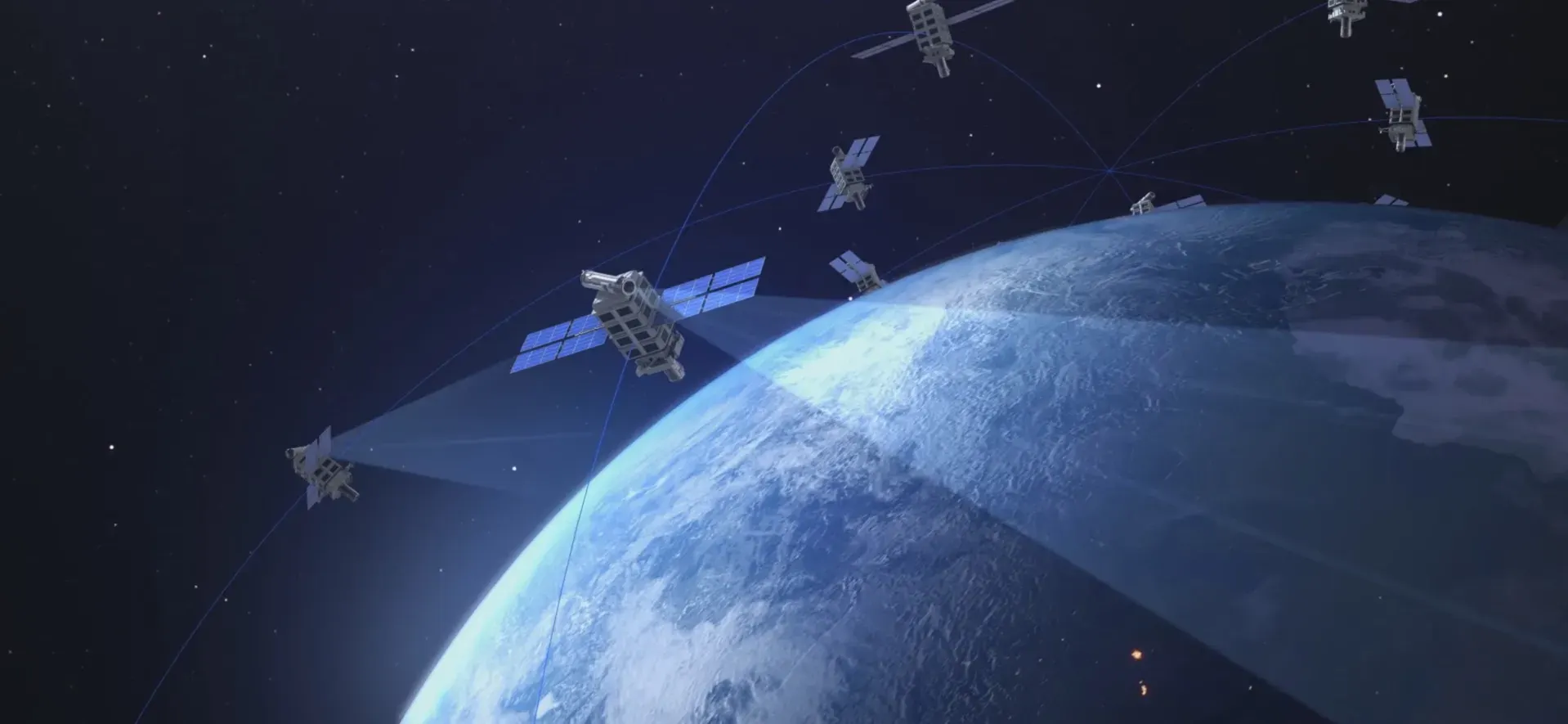
NorthStar is awarded a contract by the US Commerce Department for a Space Traffic Coordination Pilot Project
As the number of active satellites and number of uncontrolled debris in space increase exponentially, the issue of space congestion poses a real threat to the safety of space flight. The establishment of effective…
Read more : NorthStar is awarded a contract by the US Commerce Department for a Space Traffic Coordination Pilot Project -
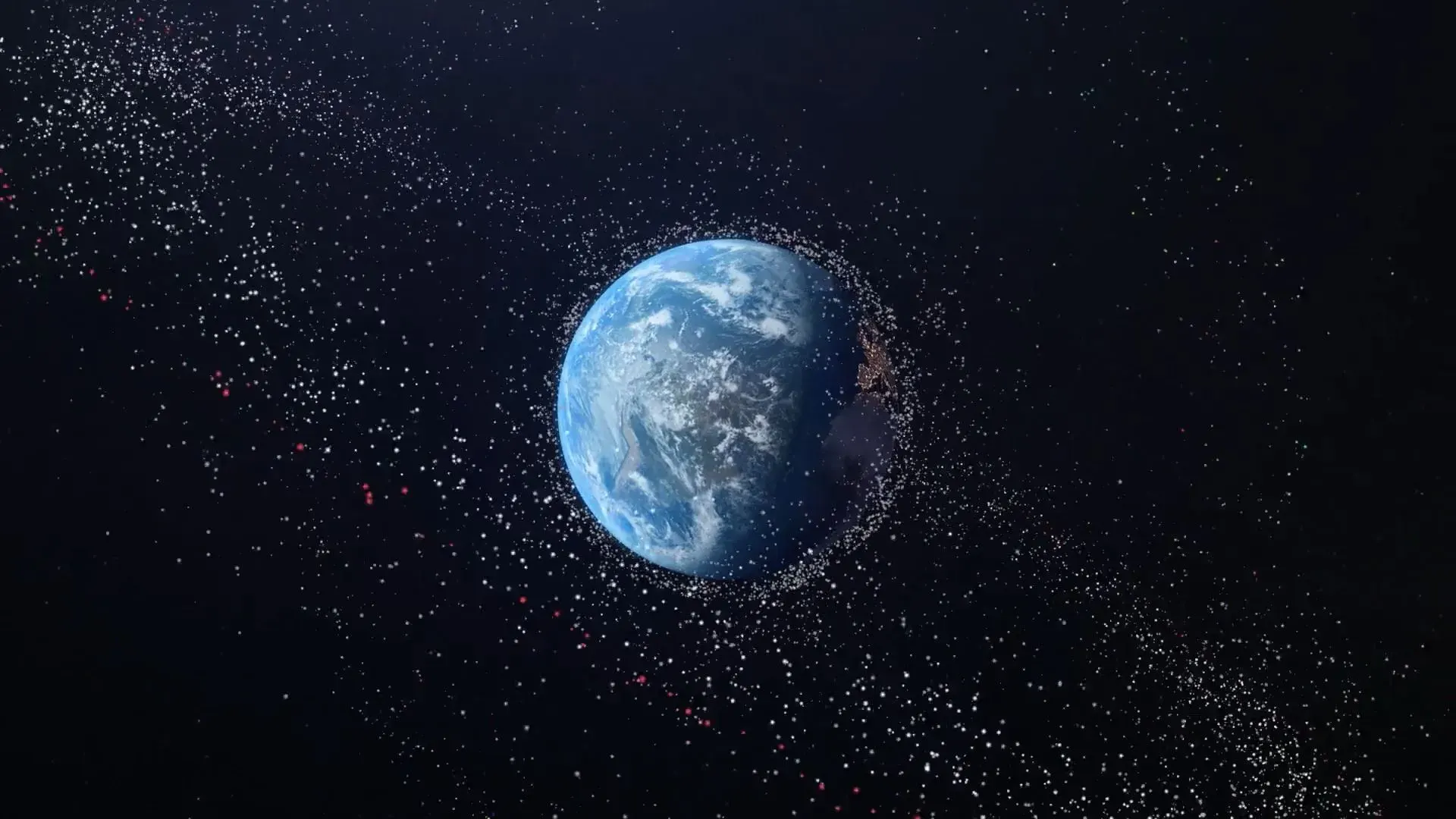
Smith Magazine highlights NorthStar’s ground-breaking solutions
The proliferation of space debris already poses a threat to the safety and sustainability of the space environment. As governments and space operators plan for an exponential growth in the number of satellite…
Read more : Smith Magazine highlights NorthStar’s ground-breaking solutions